For years, maritime compliance has been plagued by a fundamental problem: every ship, every company, and every verifier seemed to speak a different data language. When it came time to prove EU ETS or FuelEU compliance, shipowners found themselves trapped in a nightmare of mismatched records, endless back-and-forth with verifiers, and costly administrative delays.
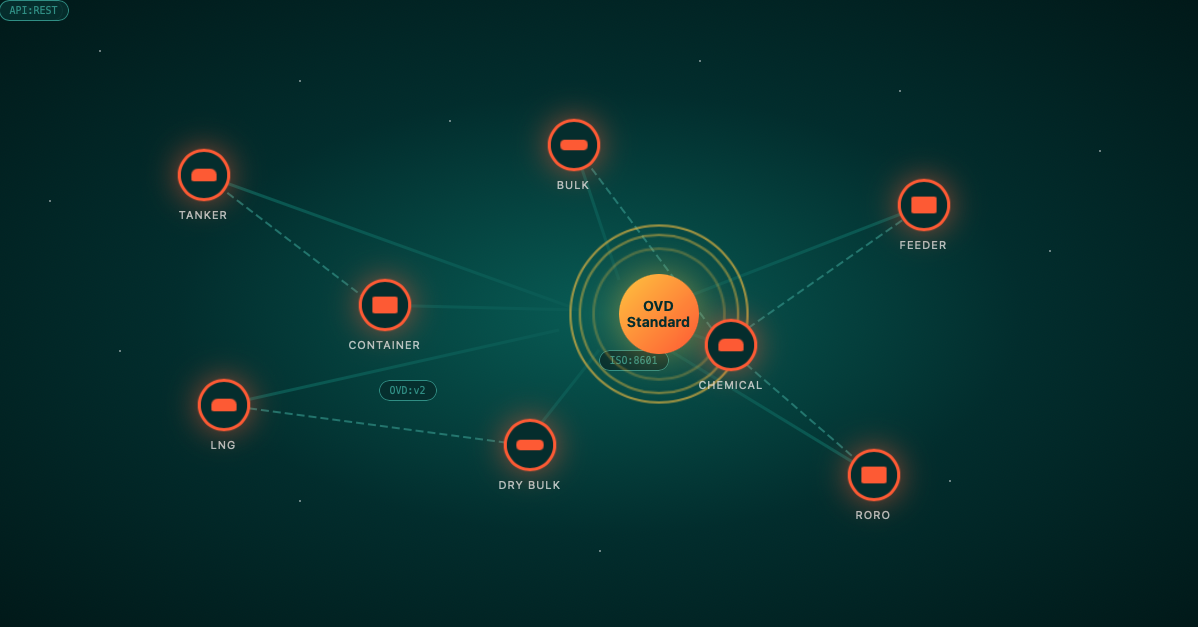
Vessel reporting standards, such as the Operational Vessel Data (OVD) standards—developed by DNV and championed by other classification societies like Bureau Veritas—are a coherent, shared framework the industry need. By standardizing how events, fuel entries, and bunkering data are captured and transmitted, OVD transforms compliance from a reactive scramble into a predictable, structured process.
Orbit Reporter is fully aligned with the standards, which means every noon report now produces the exact dataset verifiers expect. This eliminates translation errors, incomplete fields, and inconsistencies that commonly trigger verification failures. With standardized, audit-ready data flowing directly from ship to verifier, operators see faster turnaround times, fewer queries, and a dramatic reduction in rework.
In an era of expanding regulatory pressure, this alignment gives operators something invaluable: compliance confidence. With Orbit Reporter, every voyage produces the structured, validated data needed to meet today’s regulatory requirements and prepare for tomorrow’s.
Struggling to make sense of inconsistent noon reports? Our Vessel Report Analysis shows exactly where your vessel data aligns — or falls short — of industry reporting standards (we use the OVD standard). The result: fewer compliance surprises, clearer performance insights, and cleaner data flowing across your fleet. A quick review now can prevent costly problems later.
Learn more about our free vessel report analysis here.